
What a charter estimate tells you
A useful charter budget begins with the journey: the airports, the date, the passenger group and the aircraft category. Soravia’s planner turns those details into indicative category options. It helps you compare a regional aircraft with a larger cabin before asking our team for a trip-specific proposal.
The displayed estimate is a planning tool. It is not a live aircraft availability search, a confirmed reservation or an offer at a contractual price. The next step is to select a category and submit your journey. We then review aircraft suitability, availability and the costs of delivering the itinerary.
Hourly ranges, in context
These are the category assumptions currently used by Soravia’s estimator, in U.S. dollars per flight hour. They are indicative inputs rather than Soravia rate commitments. A whole-trip quote can differ materially from an hourly rate multiplied by passenger flight time.
| Category | Indicative hourly input | A useful starting point for |
|---|---|---|
| Piston aircraft | $500–$1,500 | Short regional journeys and small groups |
| Turboprop | $1,200–$2,275 | Regional travel with flexible airport options |
| Light jet | $2,100–$3,300 | Smaller groups on shorter jet missions |
| Midsize jet | $3,200–$4,400 | Balancing cabin comfort and domestic range |
| Super midsize jet | $3,600–$6,000 | Longer domestic journeys with a larger cabin |
| Heavy jet | $5,400–$11,000 | Larger groups and more cabin space |
| Ultra long range | $12,000–$18,000 | Long-distance and intercontinental planning |
Estimates do not establish a contractual price and are subject to pricing changes and aircraft availability. Taxes, positioning and other trip-specific charges may apply.
How the planner builds your estimate
The current model starts with airport-to-airport distance, adds an 8% routing allowance and uses a category planning speed to estimate time. It adds 0.35 hours per leg for ground-time allowance and applies a two-hour minimum per travel day. The result is priced with the category’s low and high hourly inputs and rounded to $500 increments.
For illustration, a two-hour planning minimum at the light-jet inputs produces $4,200–$6,600 before rounding and excluded costs. It is an explanation of the model, not an all-in trip example. Actual aircraft performance, routing and operator minimums may differ.
What changes the final trip price
- Aircraft positioning. An available aircraft may need to fly to your departure airport or onward after your trip.
- Timing and availability. A fixed departure window and peak-demand dates can change the available options.
- Multi-day use. An aircraft waiting for your return may involve minimums and crew expenses; separate one-way options may have a different total.
- Trip-specific items. Ask for an itemized treatment of handling, catering, de-icing, overnight costs and applicable taxes.
- Cabin and mission requirements. Baggage, seating layout, pets, accessibility needs and possible fuel stops influence aircraft selection.
Compare the complete proposal
Compare the aircraft offered, the full itinerary, the total payable amount and the terms together. A lower hourly input is not necessarily a lower journey cost. Ask which costs are fixed, what may change, what cancellation conditions apply and who will operate the flight.
For U.S. paid charter, the FAA advises customers to confirm the operating certificate and aircraft authorization. The aircraft and operator for your flight should be clear before you commit. For a first conversation, share preferred airports, passenger count, dates, baggage and any flexibility.
Questions, considered.
Is the estimate an instant booking?
No. Choose a category and send the request. Aircraft, operator, itinerary and commercial terms are confirmed separately before a booking is agreed.
Is a round trip always less expensive?
No. The length of the stay, aircraft positioning and the available aircraft matter. Ask for a comparison based on the exact outbound and return schedule.
Can I compare piston and turboprop options?
Yes, when the journey fits the planner’s category assumptions. The team must still review the actual aircraft, passenger and baggage requirements and operating conditions.
Aircraft photography credit
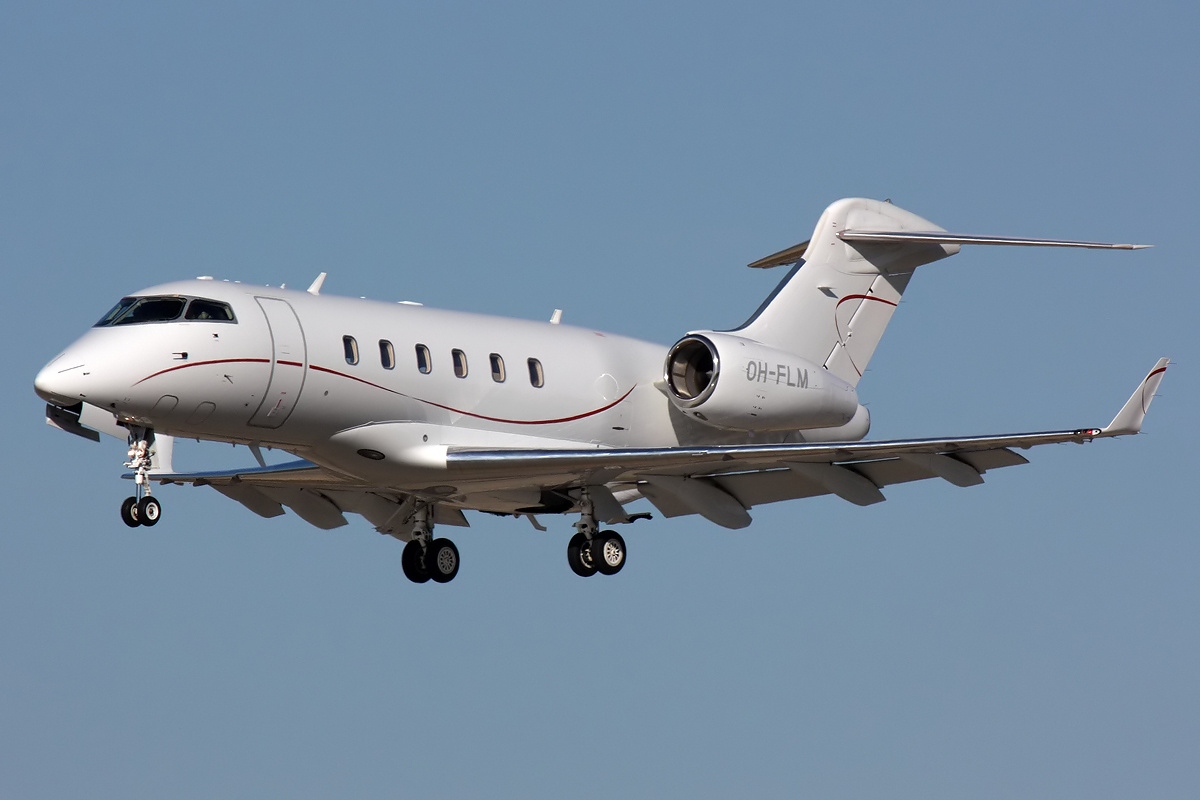
- Bombardier BD-100-1A10 Challenger 300 AN1704544.jpg — Igor Dvurekov. CC BY-SA 3.0. Resized for web display; shown without additional cropping.
